Cancer has a universal weakness.
We enable every drug to exploit it.
Cytosolix redesigns small molecule drugs to target them to tumors – widening therapeutic windows by exploiting a universal feature of solid tumors: Acidity.





Based on a scientific breakthrough at
Yale University.
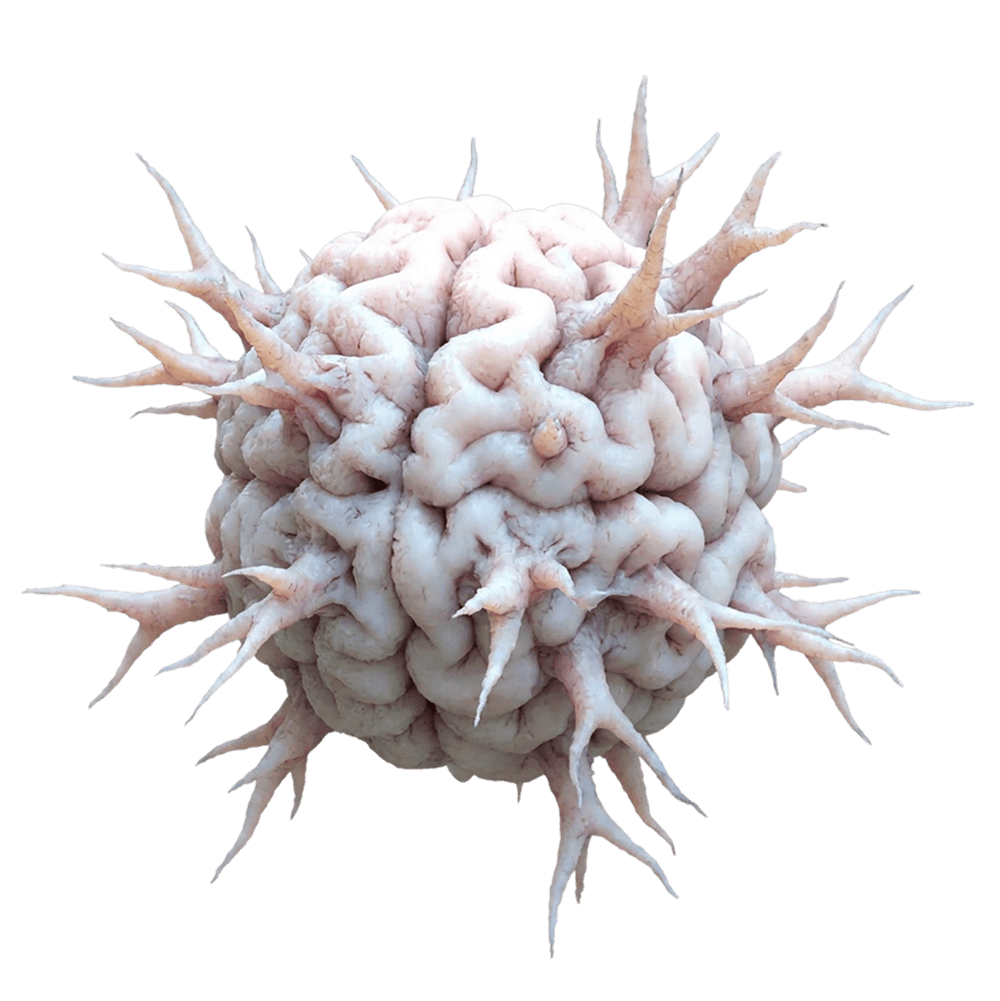
Tumor pH is a weakness that has remained unexploited
– until now.
Tumor acidity results from cancer’s altered metabolism
Driven by the Warburg effect — the well-characterized metabolic shift toward aerobic glycolysis. This phenomenon is pervasive across all solid tumor indications, regardless of tumor size, stage, or anatomical location, making it a uniquely universal therapeutic target.
Tumor pH is far lower than previously thought at the cell surface
Conventional pH probes are invasive, damage surrounding tissues, and can only measure bulk pH. Recent advanced probes developed at Yale, designed to measure pH directly at the cell surface, reveal that tumor pH ranges from 5.8 to 6.5, up to 10x lower than previously thought.
The Tumor Activated Permeability (TAP) platform for the first time enables pH-dependent drug design
Historically, all drug design optimized cell permeability at pH 7.4, maximizing healthy tissue exposure. At Yale, Deacon developed a novel pH-dependent cell assay enabling evaluation of pH-dependent drugs and a first-of-its-kind weak-acid TAP moiety library with pKa's tuned to target cells at tumor pH.


Only neutral molecules cross the cell membrane
Weak acids selectively target tumors
Weak bases selectively target healthy cells
10-15x
pH Dependence

Once inside tumor cell, TAP drugs get trapped
Weak acids get ion-trapped in tumors
Traditional drugs readily escape from tumors
25:1

Early-stage prostate cancer
We have created the first AR pathway inhibitor with a safety profile suitable for early-stage prostate cancer, where today there is no approved drug. Same efficacy, without the systemic side effects that lock current drugs out of early disease.
3.5M
US patients with early-stage prostate cancer
0
Approved drugs for early-stage prostate cancer
LEAD program
CYTX-0502
Target
Androgen receptor inhibitor/degrader
Lead indications
Unlocks the white space of early-stage prostate cancer, addressing ~3.5M US patients
Key improvements in vivo
The first AR pathway inhibitor to avoid systemic hormonal side effects
IN DEVELOPMENT
CYTX-0438
Target
Dual CDK9 + AURKA inhibitor
Lead indications
Addresses key drivers of resistant triple negative and HR+, HER2– breast cancer
Key improvements in vivo
The first in either class to avoid myelosuppression
IN DEVELOPMENT
CYTX-0214
Target
ATR inhibitor
Lead indications
Enables effective radiosensitization for colorectal, head & neck, and NSCLC
Key improvements in vivo
The first-in-class to avoid dose-limiting anemia and neutropenia
Partner with us to build the next generation of small molecule oncology.
An efficient feasibility screen quickly determines the potential of TAP-ing each new target prior to embarking upon a full DC program.
Cytosolix DCs
Targets of interest including LCM
Expanded modalities (e.g. ADC warheads)
New Emerging Targets
Leads shelved due to TI limits
Small change – Big difference
The TAP Platform replaces R-groups around active drug cores to produce weakly-acidic derivatives that preserve the drug’s original function with enhanced tumor-specificity.
Broadly applicable across small molecule oncology
Applicable to all intracellular targets, covering ~90% of small molecule drugs. Targeting all solid cancers and lymphomas, covering ~95% of all cancers.
Proprietary R&D Engine
Generates biotech outputs @ techbio speed. Efficient, low-risk R&D engine for rapidly producing TAP-drugs from known drug inputs using proprietary data & suite of assays.

Colin Foster, MBA
Co-founder, Executive Chairman
Ex-CEO of Bayer Pharmaceuticals N.A.


John Deacon, PhD
Co-founder, CEO & President
Inventor of the TAP platform at Yale